Source Round Portable Jewelry Box for Gifts, Storage, and Travel
Explore 30 options for a round portable jewelry box designed for gifts, storage, and travel. Buyers can compare materials like paper, wood, and plastic, along with customization and pricing details to find the ideal packaging solution; compare the available evidence and request quotations based on your requirements.
Key considerations
Products List


Comprehensive Sourcing Guide
Round Portable Jewelry Box Sourcing Guide
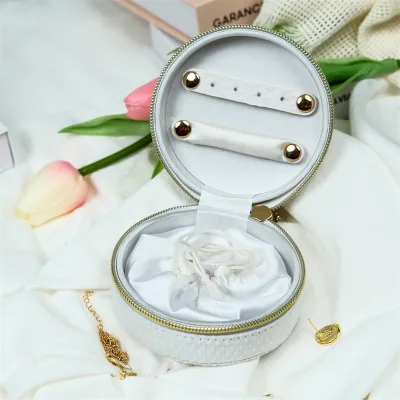
Procuring round portable jewelry boxes requires a strategic approach that balances aesthetic appeal with functional durability for B2B buyers. These items serve as essential packaging for gifts, collections, and storage, often featuring materials like paper, cardboard, wood, or plastic. The market offers diverse styles, from luxury clamshell designs to simple square or rectangular shapes, catering to various product types including cosmetics, digital goods, and apparel. Buyers must recognize that "round" may refer to the overall shape or specific internal compartments, so precise definition is critical.
Understanding the observed listing signals helps narrow down suitable suppliers. Listings indicate a wide price range, typically between $0.10 and $20.23 per unit, reflecting material and complexity differences. Minimum order quantities vary significantly, with some suppliers accepting as few as one unit while others require up to one thousand pieces. Customization is a key differentiator, with options for logo printing, offset surface handling, and specific dimensions. Buyers should note that while some products are standard export cartons, others come in polybags, impacting logistics and presentation.
Product Scope and Observed Listing Signals
The product scope for round portable jewelry boxes extends beyond simple storage to include gift packaging and collection displays. Observed usage categories include jewelry, cosmetics, food, digital products, toys, and greeting cards. This versatility means buyers must specify the intended contents to ensure the box’s internal structure and material strength are appropriate. For instance, a box for heavy digital products requires different structural integrity than one for lightweight greeting cards. Clarifying the end-use prevents mismatches in material selection and design features.
Listing data reveals significant variation in product attributes that buyers must scrutinize. Colors range from white and pink to grey, blue, yellow, and black, allowing for brand alignment. Shapes are not exclusively round; listings include square, rectangle, and combination boxes, so buyers must verify the exact geometry. Open ways vary, with clamshell and pull-out mechanisms being common. Material options include paper, cardboard, wood, and plastic, each offering different tactile and visual properties. Buyers should request samples to assess the actual feel and finish, as photos may not accurately represent the material quality or color accuracy.
Technical Specifications to Verify
Verifying technical specifications is crucial to ensure the jewelry box meets functional requirements. Dimensions are a primary concern, with observed standards ranging from 55x55x32mm to 11.5x11.5x5cm, but many listings offer customized sizes. Buyers must provide exact internal and external dimensions to accommodate their products. The open way, such as clamshell or pull-out, affects usability and packaging efficiency. Additionally, the surface handling, often offset printing, impacts the visual appeal and durability of the printed design. Buyers should confirm the print quality and color consistency through pre-production samples.
Material specifications require detailed verification to ensure durability and safety. Paper and cardboard boxes are lightweight and cost-effective but may lack the structural strength for heavy items. Wood and plastic options offer greater durability but at a higher cost. Buyers should inquire about the material grade, thickness, and any coatings applied for moisture resistance. The packing method, whether standard export carton with damp-proof bags or polybag, also affects product protection during transit. Confirming these details prevents damage and ensures the product arrives in pristine condition, ready for retail or gifting.
Compliance and Safety Documentation
Compliance and safety documentation are essential for international trade and consumer protection. While specific certifications like ISO 9001, FSC, BSCI, ISO 14001, and REACH are mentioned in background data, buyers must verify their applicability to their specific market. For example, FSC certification is relevant for wood-based products, ensuring sustainable sourcing. REACH compliance is critical for chemical safety, particularly for plastics and inks used in printing. Buyers should request test reports and certificates from suppliers to confirm adherence to these standards, avoiding potential legal issues and reputational damage.
Safety documentation also includes material safety data sheets (MSDS) for any chemicals used in the manufacturing process. This is particularly important for boxes intended to hold food or health care products, where direct contact with the contents is possible. Buyers should ensure that all materials are non-toxic and free from harmful substances. Additionally, packaging compliance with local regulations, such as labeling requirements and waste disposal guidelines, must be addressed. Requesting comprehensive documentation from suppliers helps buyers make informed decisions and ensures that the products meet all necessary regulatory standards for their target markets.
Cost Drivers and Commercial Terms
Cost drivers for round portable jewelry boxes are influenced by material choice, customization level, and order volume. Paper and cardboard boxes are generally less expensive than wood or plastic options, making them suitable for high-volume, low-cost applications. Customization, such as logo printing and specific dimensions, adds to the cost but enhances brand visibility. Buyers should negotiate pricing based on order quantity, as larger orders often result in lower per-unit costs. Understanding these cost drivers helps buyers budget effectively and select the most cost-effective solution for their needs.
Commercial terms, including payment methods, lead times, and shipping options, significantly impact the procurement process. Observed sample lead times are approximately 7-10 days, but production lead times can vary based on complexity and order size. Buyers should clarify payment terms, such as advance payment or letter of credit, to mitigate financial risk. Shipping options, including FOB, CIF, or DDP, affect the total landed cost and logistics responsibility. Negotiating favorable commercial terms ensures a smooth procurement process and helps buyers manage cash flow and inventory levels effectively.
Supplier Qualification and Quality Control
Supplier qualification is critical to ensuring consistent quality and reliable delivery. Buyers should evaluate suppliers based on their production capacity, quality control processes, and track record. Requesting factory audits or third-party inspections can provide insights into the supplier’s operational capabilities. Suppliers with established quality management systems are more likely to deliver products that meet specifications. Buyers should also consider the supplier’s experience in the jewelry box industry, as specialized knowledge can lead to better product design and manufacturing outcomes.
Quality control measures should be implemented at various stages of production to minimize defects. Incoming material inspection, in-process checks, and final product inspection are essential steps. Buyers should agree on acceptable quality levels (AQL) with suppliers to define the maximum number of defects allowed. Regular communication and feedback loops help address any issues promptly and ensure continuous improvement. Implementing robust quality control processes reduces the risk of receiving defective products and ensures customer satisfaction.
Long-Term Procurement Checks
Long-term procurement checks involve monitoring supplier performance and market trends to ensure sustained value. Buyers should establish key performance indicators (KPIs) to track supplier reliability, quality, and cost efficiency. Regular reviews of supplier performance help identify areas for improvement and foster a collaborative relationship. Monitoring market trends, such as changes in material costs or regulatory requirements, allows buyers to adjust their procurement strategies proactively. This approach ensures that the supply chain remains resilient and adaptable to changing market conditions.
Building a long-term partnership with suppliers can lead to better pricing, priority production slots, and enhanced innovation. Buyers should consider developing exclusive designs or co-developing new products with suppliers to differentiate their offerings. Regular communication and joint planning sessions help align goals and expectations, fostering a mutually beneficial relationship. By focusing on long-term procurement checks, buyers can secure a stable and efficient supply chain that supports their business growth and competitive advantage.
FAQs
What materials are used for round portable jewelry boxes?
Round portable jewelry boxes are commonly made from paper, cardboard, wood, or plastic. Paper and cardboard options are lightweight and cost-effective for bulk orders, while wood provides a premium feel. Plastic is durable and suitable for repeated use. Choose the material based on your product's weight and desired aesthetic.
Can I customize the size and shape of the jewelry box?
Yes, customization is available for both size and shape. Standard dimensions include 55*55*32mm, 11.5*11.5*5cm, and 10x10x3cm, but you can request specific measurements to fit your jewelry. Custom shapes like clamshell or pull-out mechanisms are also supported. Provide your exact requirements to the supplier for accurate production.
What is the typical lead time for sample production?
The sample lead time is typically about 7 to 10 days. This period allows the manufacturer to produce a physical prototype for your approval before mass production begins. Ensure you provide all design files and specifications promptly to avoid delays. Final production lead times may vary based on order volume.
What is the minimum order quantity for these boxes?
The minimum order quantity is generally 100 pieces. This low MOQ allows small businesses or startups to test the market without committing to large inventory. Some suppliers may offer higher MOQs for custom designs or specific materials. Confirm the exact MOQ with your chosen vendor before placing an order.
How are the jewelry boxes packaged for shipping?
Boxes are usually packed in standard export cartons with damp-proof bags or polybags to protect them during transit. This packaging ensures the products arrive in good condition. Custom packaging options may be available upon request. Proper packaging is essential to prevent damage during international shipping.
What printing methods are available for logo customization?
Offset printing is the primary method used for logo customization on these boxes. It provides high-quality, consistent results suitable for large orders. Customized logos are available, allowing you to brand your packaging. Ensure your logo files are in the correct format to achieve the best print quality.
What are the common uses for round portable jewelry boxes?
These boxes are used for packing, storage, collection, and gifting. They are suitable for jewelry, cosmetics, food, digital products, and other small items. The portable design makes them ideal for travel or display. Choose a style that matches your product's value and target audience.